
Spray-to-drip conversion
Convert a sprinkler zone to drip irrigation
Drip needs filtered water at low, steady pressure, on its own zone. Put a filter and regulator at the valve, or a retrofit kit on one spray body with the other heads capped. Then add up the emitters so the zone flow lands inside the kit’s range.
- Whole zone, not one head
- Filter + regulator
- GPH ÷ 60 = GPM
- Flush the ends
Checked against manufacturer specifications and our live catalog · Updated October 2026
Short answer
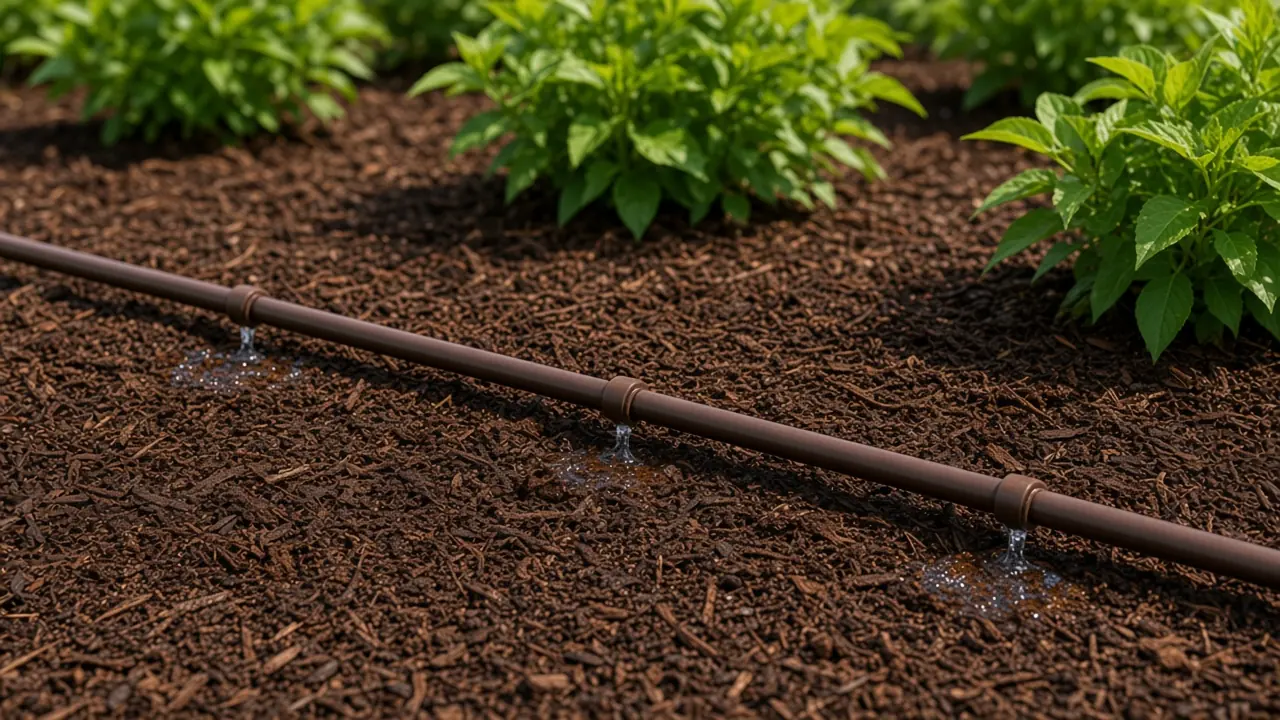
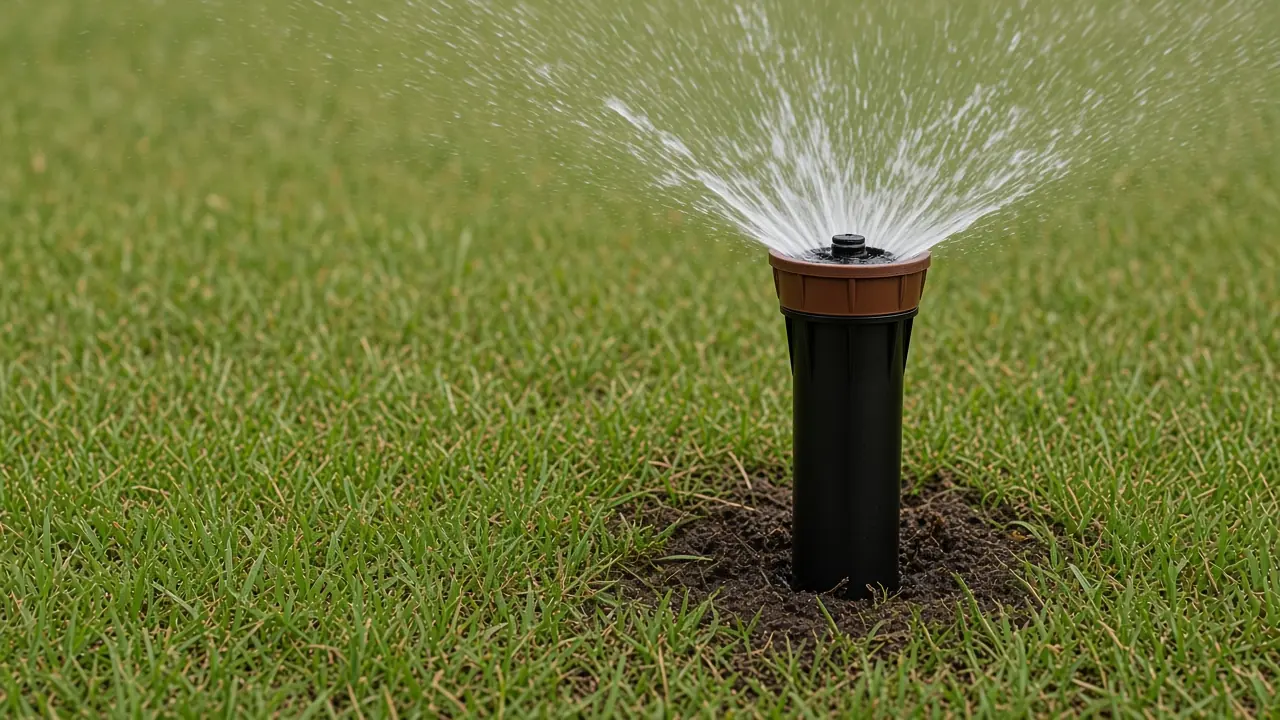
Convert the whole zone. Either install a drip control zone kit (valve, filter, and pressure regulator) at the valve, or put a retrofit kit such as Rain Bird 1800-RETRO on one spray body and cap the other heads. Use inline dripline for dense beds and point-source emitters for spaced shrubs. Total the emitter GPH, divide by 60 for GPM, and pick a kit whose flow range includes that number.
Pick dripline or emitters
Dense beds and groundcover take inline dripline at 12 or 18 inch spacing. Spaced shrubs and pots take 1/2 inch tubing with point-source emitters or bubblers.
Filter and regulate
Install a drip control zone kit at the valve, or a retrofit kit on one spray body and cap the other heads on that zone.
Check the flow, then flush
Add up emitter GPH and divide by 60 for GPM. Stay inside the kit’s flow range. Flush the lines before you cap the ends.
Do the math
Zone flow examples
| Layout | Emitters | Zone flow |
|---|---|---|
| 100 ft of 0.6 GPH dripline, 12 in. spacing | 100 × 0.6 GPH = 60 GPH | 1.0 GPM |
| 250 ft of 0.9 GPH dripline, 18 in. spacing | 167 × 0.9 GPH ≈ 150 GPH | 2.5 GPM |
| 30 shrubs, two 2 GPH emitters each | 60 × 2 GPH = 120 GPH | 2.0 GPM |
Match the total to the kit: for example Hunter PCZ is 0.5–15 GPM, Rain Bird XCZ low flow is 0.2–10 GPM, and Rain Bird 1800-RETRO is 0.5–6 GPM. Maximum lateral length comes from the dripline maker’s chart for your inlet pressure.
Parts we ship
Kit, tubing, fittings, ends
Pick the kit by zone flow, then the dripline, then fittings that match the tubing size.
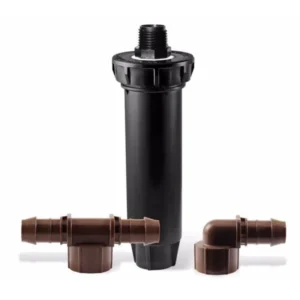
Retrofit at a spray head
Screws onto an existing spray body or riser and adds a filter and regulator. Cap the other heads on that zone.
-
Rain Bird 1800-RETRO, 0.5–6 GPM, 30 psi
$41.83
82 In Stock
-
Retro head-to-dripline adapter
$41.95
In Stock
-
NDS spray-to-drip kit, 150 mesh, 30 psi
$45.95
In Stock
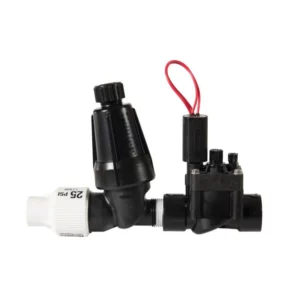
Control zone kit at the valve
Valve, filter, and regulator in one assembly. Choose 25, 30, or 40 psi to suit the dripline, and a flow range that fits the zone.
-
Hunter PCZ 1 in., 40 psi, 0.5–15 GPM
$72.33
In Stock
-
Hunter PCZ 1 in., 25 psi, 0.5–15 GPM
$72.33
In Stock
-
Rain Bird XCZ 3/4 in., 30 psi, 0.2–10 GPM
$70.95
In Stock
-
Rain Bird XCZ 1 in., 40 psi, 3–15 GPM
$71.95
In Stock
-
Hunter ICZ 1 in., 40 psi, 2–20 GPM
$201.95
81 In Stock
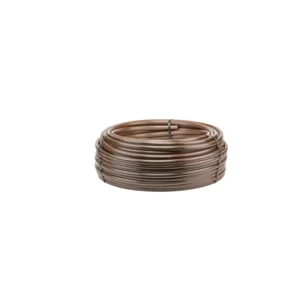
Inline dripline
Emitters built into 17 mm tubing. Check-valve (CV) dripline holds water in the line on slopes so the low end does not drain.
-
Hunter HDL-CV 0.6 GPH, 12 in., 250 ft
$122.95
In Stock
-
Hunter HDL-CV 0.9 GPH, 12 in., 250 ft
$122.95
In Stock
-
Hunter HDL-CV 0.9 GPH, 18 in., 250 ft
$118.95
In Stock
-
Hunter HDL-CV 0.4 GPH, 12 in., 250 ft
$129.95
In Stock
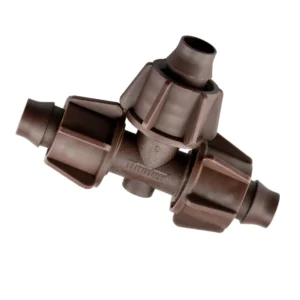
17 mm fittings
Use fittings made for the tubing size. Hunter PLD-LOC fits 17 mm HDL dripline.
-
PLD-LOC tee
$21.95
In Stock
-
PLD-LOC coupling
$20.95
In Stock
-
PLD-LOC end cap
$21.95
In Stock
-
PLD-LOC 3/4 in. hose swivel
$21.95
In Stock
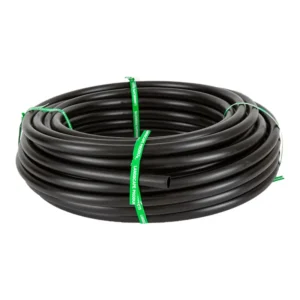
Trees and spaced shrubs
Point-source watering for plants with bare ground between them. Root-zone bubblers put water at tree roots.
-
1/2 in. (0.710) poly tubing, 100 ft
$72.08
100+ In Stock
-
Rain Bird XQ 1/4 in. tubing, 100 ft
$27.95
In Stock
-
Hunter RZWS 10 in., 0.5 GPM, check valve
$49.49
35 In Stock
-
Jain quad bubbler, 1.7 GPH
$33.52
In Stock
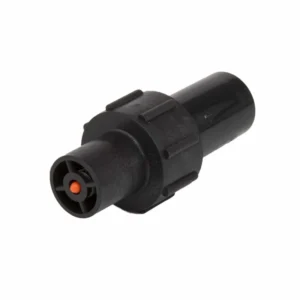
Flush and air relief
Flush caps clear grit at the end of a lateral. An air vent at the high point keeps subsurface dripline from pulling soil into emitters.
-
710 automatic flush cap
$22.95
In Stock
-
1/2 in. dripline air vent
$36.95
74 In Stock
-
Hunter Eco-Indicator, pops up when the zone runs
$16.68
89 In Stock
Match the situation
Is drip the right fix?
| What you see | What to do | Start here |
|---|---|---|
| Spray zone on a planter bed overspraying walls and walks | Convert the whole zone. Retrofit kit on one head and cap the rest, or a control zone kit at the valve. | 1800-RETRO · Hunter PCZ |
| A few bed heads share a zone with lawn | Drip cannot share a zone with spray; the run times are far apart. Give the bed its own valve or keep it on spray. | Control zone kit |
| Bed on a slope; the low end stays wet | Use check-valve dripline so the line holds water after the zone stops. | HDL-CV dripline |
| Emitters clog | Filtration and flushing. Clean the kit screen and add flush caps at the lateral ends. | Flush cap |
| Tiny zone, regulator will not hold pressure | Flow below the kit’s minimum. Pick a low-flow kit or add emitters. | XCZ low flow 0.2–10 GPM |
| Trees in a lawn | Root-zone bubblers at the tree, on a zone that runs separately from the lawn. | Hunter RZWS |
The steps people skip
Why drip conversions fail
- Convert the whole zone. Drip runs in gallons per hour. Mixed with spray, either the beds drown or the lawn browns.
- Cap the unused heads. An open spray body on a drip zone dumps the water and drops the pressure.
- Match fittings to the tubing size. 17 mm dripline and 0.710 in. poly tubing use different fittings.
- Flush before you cap. Run water through the open ends until it runs clean.
- Stay inside the kit’s flow range. Below the minimum, the regulator cannot hold pressure. Above the maximum, it starves the far end.
- Stay inside the run-length chart. Each dripline lists a maximum lateral length at a given inlet pressure. Longer runs starve the far end.
- Ask your water provider about rebates. Many utilities offer rebates for spray-to-drip conversions. Check before you buy.
Common questions
Can I convert just one sprinkler head to drip?
Only if the whole zone becomes drip. Put the retrofit kit on one spray body and cap the other heads on that zone. Drip and spray cannot share a zone.
What pressure does drip irrigation need?
Drip control zone kits regulate to a fixed pressure, commonly 25, 30, or 40 psi. Check the operating range on the dripline listing and choose the kit to match.
What filter mesh do I need for drip?
The kits we stock ship with 150 to 200 mesh screens. Follow the dripline maker’s minimum; Toro lists 120 mesh for its DL2000 dripline.
How do I calculate drip zone flow?
Count the emitters, multiply by GPH per emitter, and divide by 60 for GPM. For example, 100 emitters at 0.6 GPH is 60 GPH, or 1.0 GPM.
Dripline or 1/4-inch tubing and emitters?
Use inline dripline where plants are dense and the whole bed should be wet. Use point-source emitters on 1/4-inch tubing where plants are spaced out with bare ground between them.
How long can a dripline run be?
It depends on the dripline, emitter flow, spacing, and inlet pressure. Each maker publishes a chart; for example, Toro lists 515 ft at 25 psi for DL2000 RGP-218.
How long should I run drip irrigation?
Drip is rated in gallons per hour, so run times are much longer than spray. Start from the plants’ water needs and the emitter flow, then adjust by checking soil moisture.
Go deeper
Send a photo of the zone and the valve
Tell us how many heads are on the zone and what is planted. We will spec the kit, dripline, and fittings. Free US shipping.