Sprinkler & Lighting News

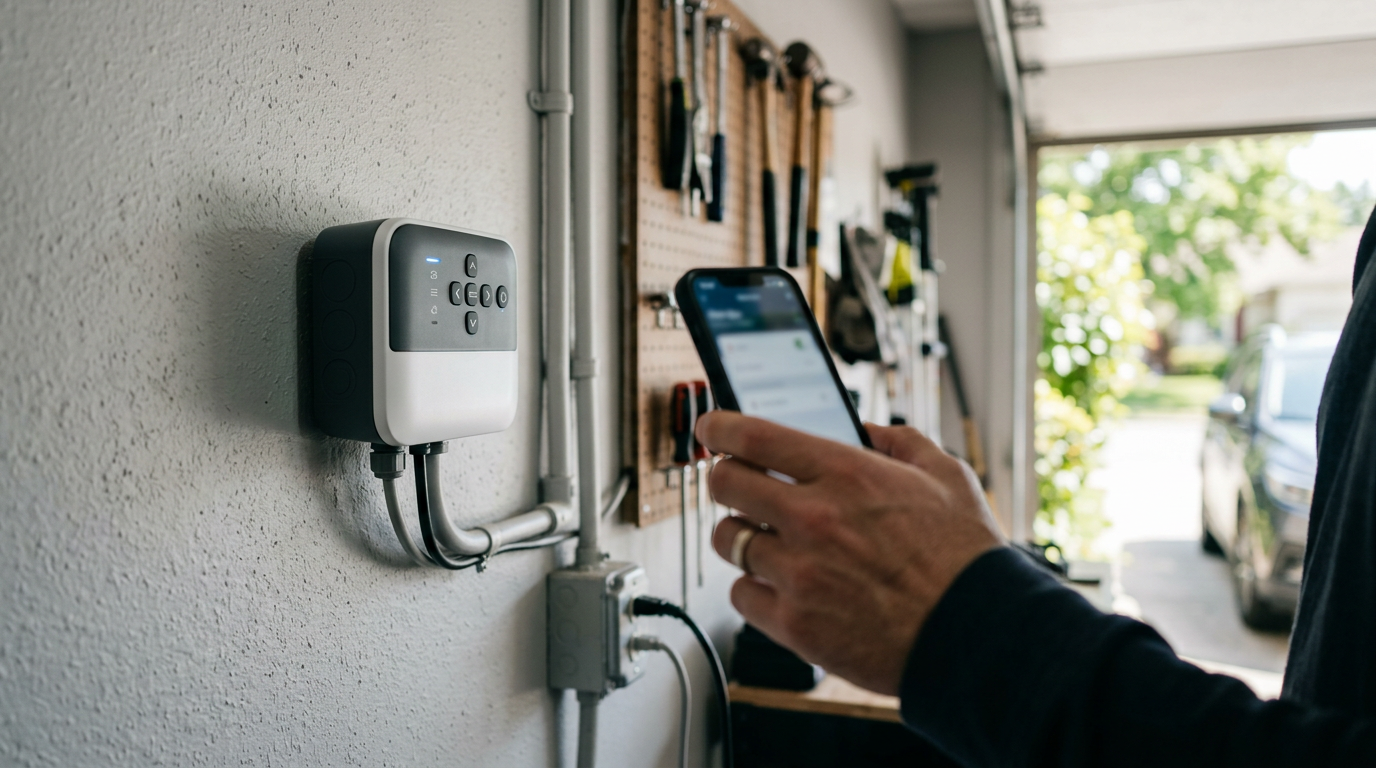
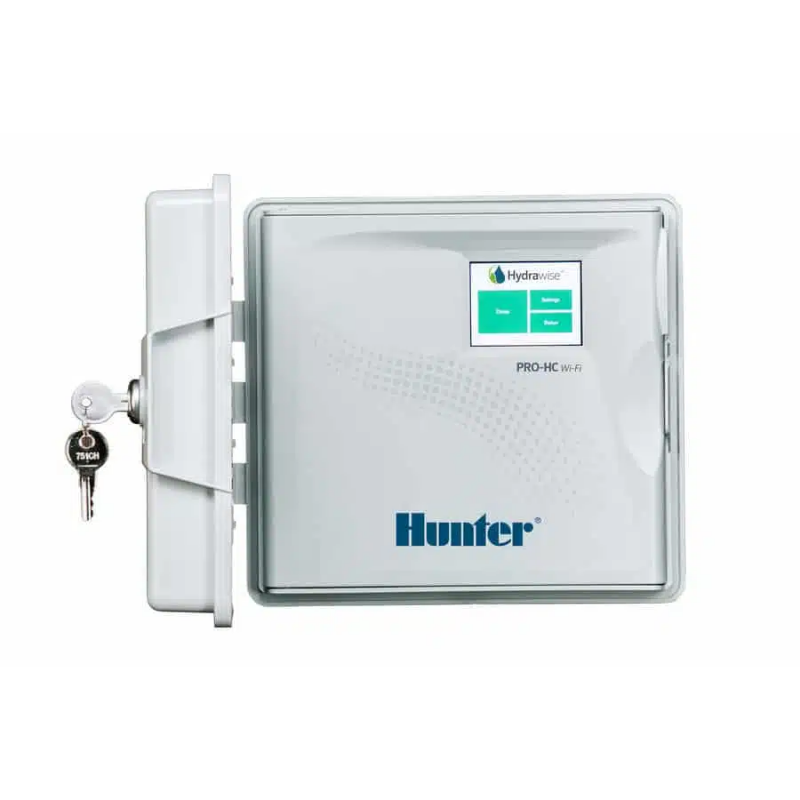
Hunter Hydrawise Pro-HC 24-Zone Indoor Wi-Fi Controller (PHC2400i)

HOA Irrigation Rules: Documentation, Audits, and Retrofits

HOA irrigation rules work when they match physics, local water ordinances, and the equipment on the wall—not when they only say “keep the grass green.” This guide helps presidents, board members, and property managers write enforceable common-area policies, run audits that survive owner meetings, and phase controller retrofits that produce documentation. For the full upgrade […]
pool 04 2

Irrigation on Slopes: Cycle-and-Soak, Row Spacing, and Erosion Control

Why Slopes Run Off Water travels downhill faster than it infiltrates. Long single cycles on clay soils guarantee puddling at the toe. Cycle-and-Soak Break runtime into shorter pulses with soak gaps so moisture redistributes vertically. Head Placement Follow contour lines where possible and avoid aiming heads directly downslope across pavement. Plant and Mulch Strategy Deep-rooted […]

pool 03 2

Water Hammer in Irrigation: Causes, Fixes, and Component Selection

What You Are Hearing Water hammer is a pressure spike when moving water stops suddenly. Plastic and copper mains both transmit the shock. Common Irrigation Triggers Fast-closing solenoids, long pipe runs, and high velocity combine to amplify spikes. Mitigations Slow valve opening when possible, add air relief where trapped air exists, and consider surge arrestors […]

pool 02 2

Tree Uplighting Techniques: Beam Spread, Glare, and Fixture Choice

Define the Goal Accent trunks, reveal branching structure, or graze bark texture. Each goal picks a different beam and mounting height. Beam Spread and Distance Narrow beams punch canopy holes; wide floods soften silhouettes. Combine layers for large specimens. Glare Control Shrouds and glare guards keep light out of bedroom windows and driver sight lines. […]

pool 01 2

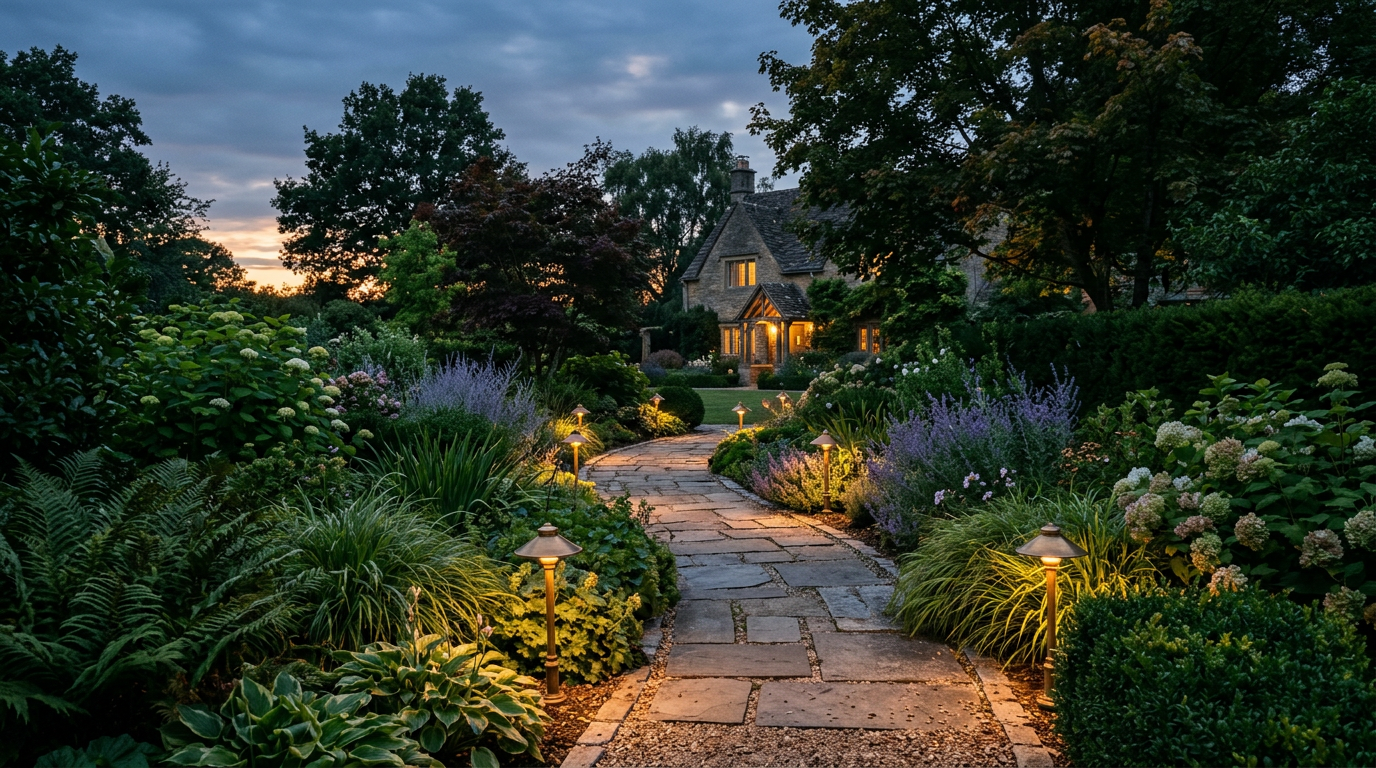
Path Light Spacing: Even Walkway Illumination Without Glare

Start With the Walking Path Measure the usable path width and note grade changes. Light transitions and tripping hazards first. Spacing Rules of Thumb Many residential paths look best with staggered fixtures every 8–12 feet depending on lumen output and optics—tune with mockups. Glare Control Shield lamps from direct line of sight. Lower fixtures slightly […]

pool 08 1

LED Retrofits for Halogen Landscape Fixtures: What Actually Works

Beyond Screw-in Bulbs Quality LED retrofits match beam angles and CRI expectations. Cheap discs often create hot spots and odd color fringes. Transformer Compatibility Magnetic transformers may need minimum load; electronic units often handle low LED wattage better. Color and Glare Warmer 2700–3000K is typical for residential paths; cooler temps suit modern architecture when glare […]

pool 07 1

Landscape Lighting Transformer Sizing: Watts, Tap Voltage, and Load Planning

Load Math That Survives Summer Add fixture wattages (or VA) and multiply by manufacturer minimum headroom—often 20–25%. LED loads are lower but inrush still matters on some transformers. Voltage Drop Planning Long homeruns need thicker gauge or multi-tap transformers. Sketch zones so no leg runs near max length for its gauge. Tap Strategy Distribute load […]