pool 03 1

PVC Schedule 40 vs Polyethylene Pipe for Irrigation Mains

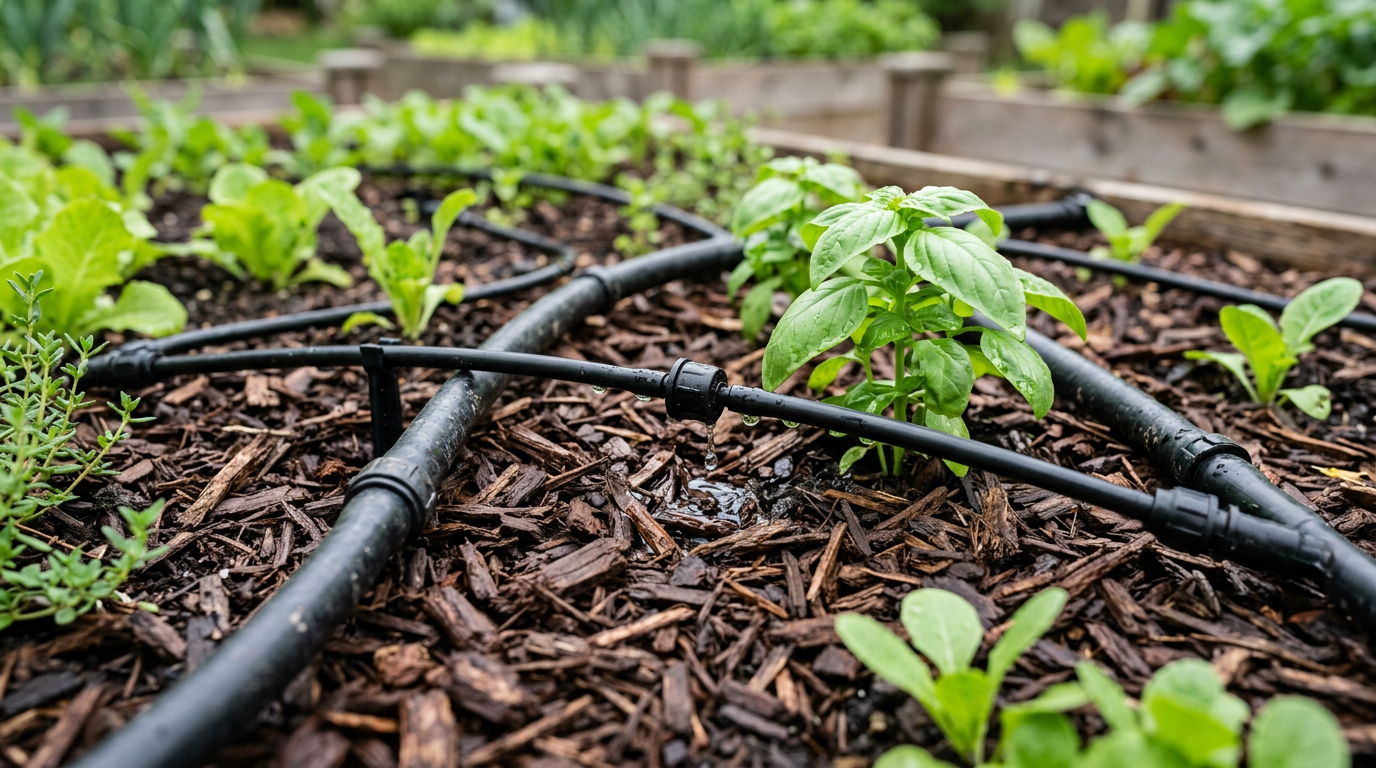
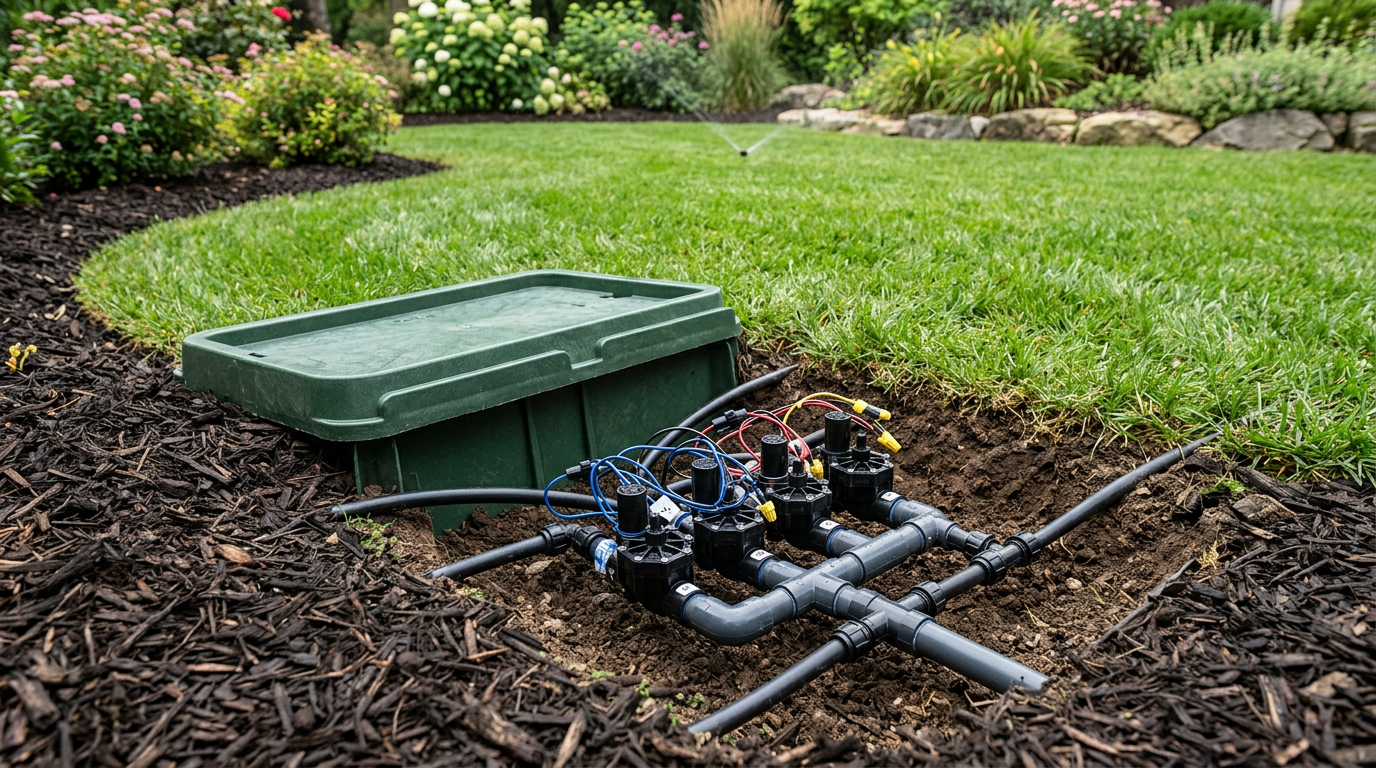
Where PVC Shines Schedule 40 PVC is rigid, easy to solvent weld, and ideal for straight mainlines with predictable trenching. Where Poly Wins Polyethylene handles curves, rocky soils, and quick repairs with barbed fittings and clamps—common on laterals to valves. Depth and Code Follow local depth tables and separation from other utilities. Mark depth on […]
pool 02 1

Solenoid Valve Troubleshooting: Clicks, Ohms, and Debris

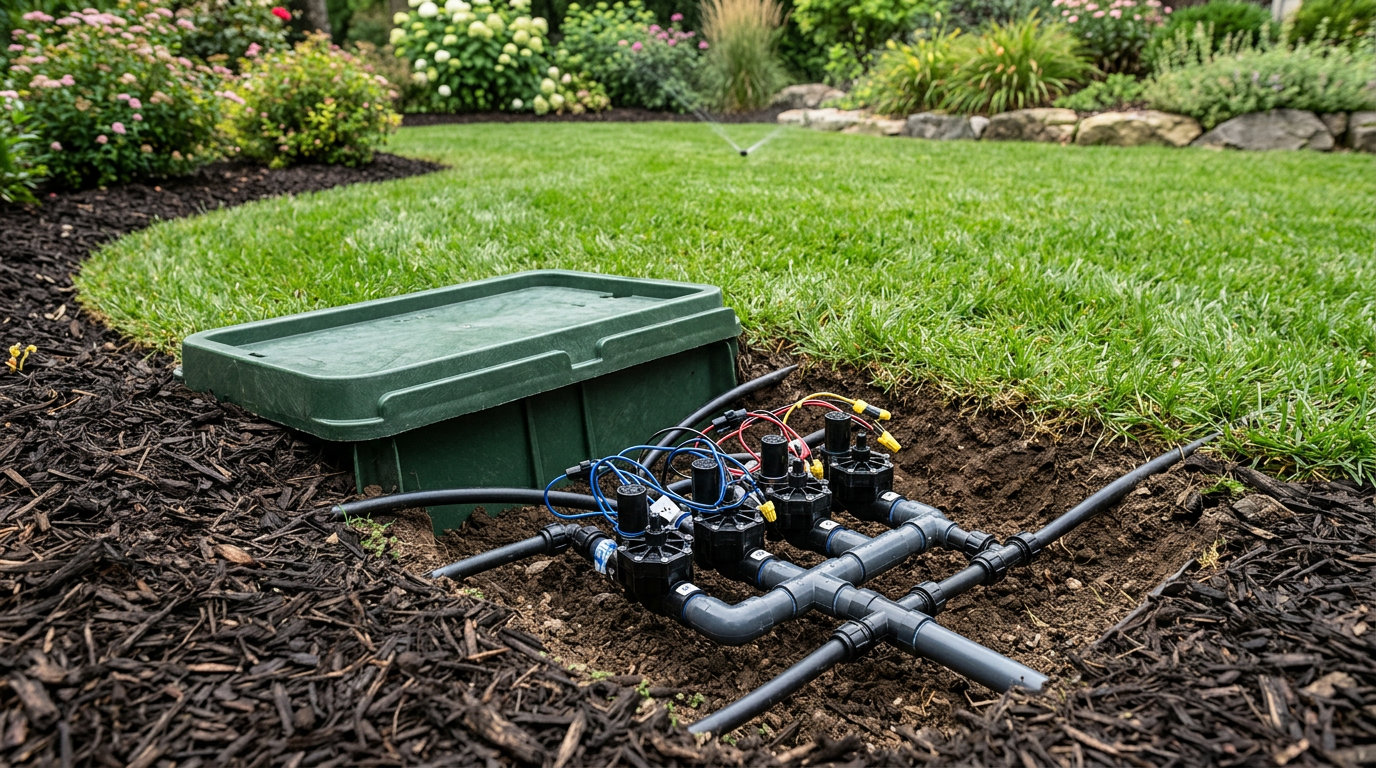
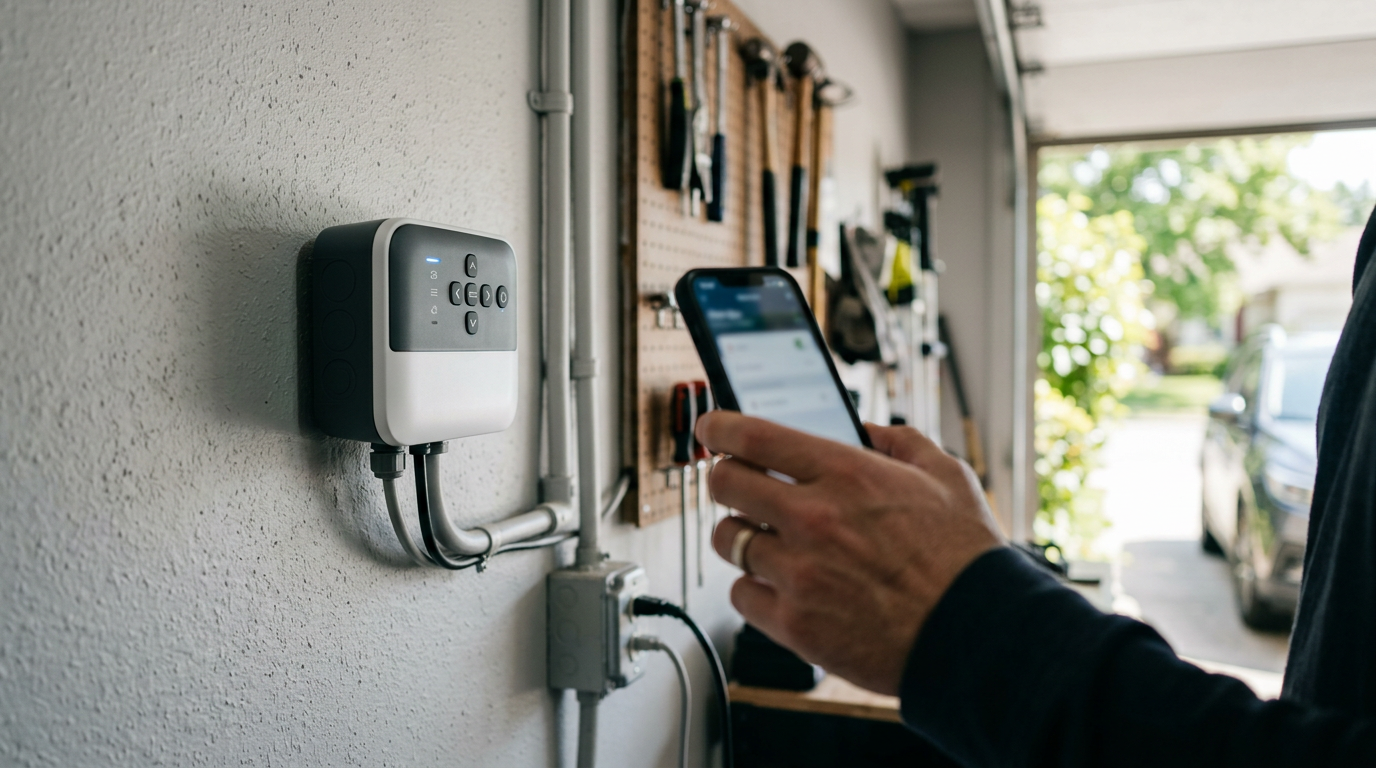
Start at the Controller Confirm the station output energizes when commanded. Intermittent faults may be wiring nuts, cut common wires, or corroded connectors. Voltage and Ohms Measure AC voltage at the solenoid leads during operation. Compare coil resistance to manufacturer ranges—shorts and opens are common after lightning seasons. Mechanical Issues Debris under the diaphragm or […]

pool 01 1

Hydrawise Predictive Watering: Practical Tips for Accurate Schedules

Teach the Controller Your Landscape Accurate plant type, sun exposure, and sprinkler head selections change ET math. Garbage inputs produce garbage run times—even with good weather data. Weather Sources Choose a reliable station near the property. Rural sites may need a personal weather device for wind and rainfall. Flow and Overrides If you add flow […]

pool 08

Rain Bird vs Hunter Rotors: Picking the Right Gear-Driven Sprinkler

Brand Basics Both brands offer contractor-grade rotors with tool-free arcs and color-coded nozzles. Availability and local support often drive the final pick. Nozzle Ecosystem Stock the nozzle sets you actually service. Carrying both brands’ rebuild kits prevents a single failed head from delaying a job. Common Failure Modes Seal wear, drive mechanism grit, and cracked […]

pool 07

MP Rotator vs Traditional Sprays: Coverage, Wind, and Efficiency

Why Rotators Behave Differently MP rotators throw larger droplets with slower application rates, cutting wind drift and runoff on tight soils. When Sprays Still Win Narrow strips, odd polygons, or very low pressure zones may fit classic sprays better until pressure issues are fixed. Converting a Zone Swap all nozzles together, adjust run times for […]

best smart irrigation controllers 2026 hunter hydrawise rain bird 1

Best Smart Irrigation Controllers in 2026: Hunter, Hydrawise, Rain Bird Buying Guide

Choosing the right irrigation controller can save thousands of gallons of water per year while keeping your lawn and landscape looking its best. Whether you are upgrading an existing system or designing a new one, this guide covers everything you need to know about the best smart sprinkler controllers available in 2026. What to Look […]

pool 06

Drip Irrigation for Foundation Beds: Design Rules That Prevent Failures

Separate Turf and Plant Zones Mixing rotors with drip on one valve almost always over- or under-waters something. Give foundation plantings their own station with matched precipitation. Emitter Strategy Use pressure-compensating emitters or in-line drip with documented spacing. Add extra emitters as shrubs mature instead of cranking run times. Filtration and Flushing Install a screen […]

pool 05

Smart Irrigation ROI: When a WiFi Controller Pays for Itself

Where Savings Come From Weather-based irrigation trims run times on cool, windy, or rainy weeks. Remote access prevents catastrophic runs when homeowners are traveling. Together, those fixes routinely beat fixed timers. Simple Payback Math Multiply outdoor gallons by your marginal water rate, then assume a conservative 20–35% reduction after tuning. Compare that annual dollar savings […]

pool 04

Flow Sensors for Irrigation: Catch Leaks Before the Bill Arrives

Why Flow Monitoring Matters A stuck valve or broken lateral can waste thousands of gallons overnight. Flow sensors give controllers real-time data to compare expected versus actual flow per zone. Installation Basics Install on the mainline after the backflow and before the manifold when possible. Keep straight pipe upstream and downstream per manufacturer specs so […]

pool 03

Pressure Regulator vs PRV for Irrigation: What to Install Where

Static vs Dynamic Pressure Static pressure is what you measure with no flow. Dynamic pressure is what heads actually see when valves open. Regulators must be sized for worst-case simultaneous flow, not just static readings. Field Regulators for Irrigation Inline or valve-box regulators protect sprays from over-pressure that causes fogging and rapid soil compaction. Install […]