Why a Controlled Spring Startup Matters
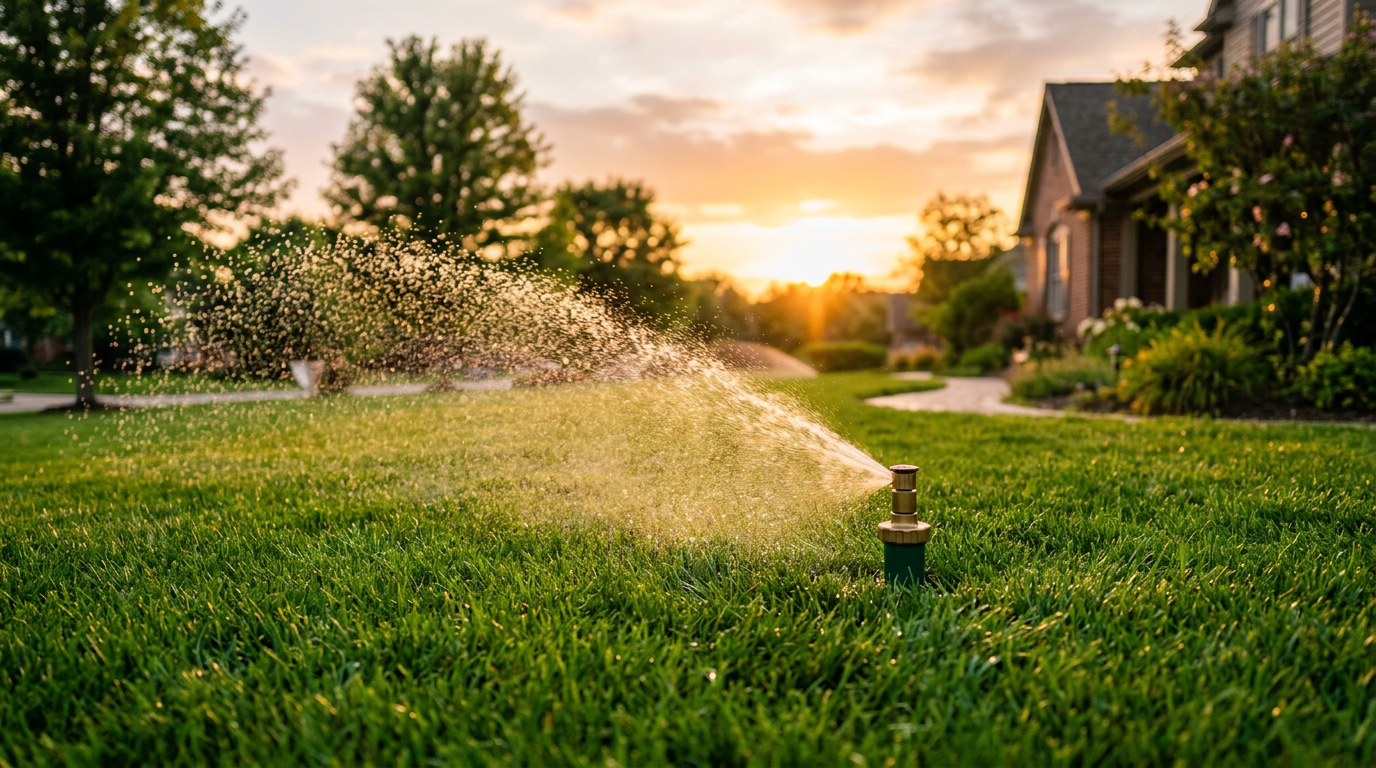
Opening a sprinkler system too fast can crack manifolds, stress solenoids, and hide small leaks until your water bill spikes. A disciplined spring irrigation startup protects equipment and confirms every zone runs clean before summer demand.
Pressurize the Mainline Slowly
Crack the main valve and wait several minutes while you listen for rushing water. Gradual pressurization reduces water hammer and gives you time to spot wet spots along the mainline. If you use a master valve, verify it opens fully and responds from the controller.
Run Every Zone and Log Problems
Run stations two to three minutes each. Note heads that do not pop, arcs that look short, or misting that signals pressure issues. Pair this pass with a quick nozzle inventory so you can order replacements before the first heat wave.
Test Sensors and Smart Schedules
Confirm your rain sensor or smart weather hold actually interrupts watering. If you use a WiFi controller, verify connectivity and that seasonal adjustment is not stuck at winter levels.
Frequently Asked Questions
When should I start my sprinklers in spring?
After the last hard freeze risk for your region and once soil is workable—often mid-to-late spring depending on latitude.
Do I need a professional for spring startup?
Homeowners can handle basics if they understand the valve layout. Hire a pro for complex two-wire systems, pumps, or if you find major leaks.